Las Tallnas: A Script Handwritten Font for Warm, Authentic Branding
It started with a blank mood board and a client email: “We’re opening a small ceramic studio—hand-thrown mugs, linen tea towels, slow-made glazes. We want our brand to feel like a quiet conversation over morning coffee.” That’s when I opened my fonts folder and reached for Las Tallnas. Not as a last-minute flourish, but as the first real voice in the identity—not just typography, but tone.
Las Tallnas for Logo Design and Handmade Brand Identity
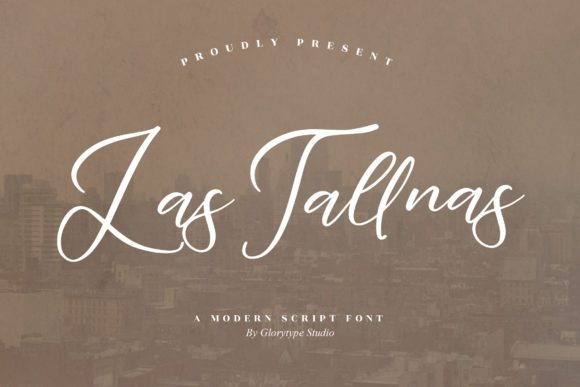
Las Tallnas is a Script Handwritten font with soft, confident strokes—slightly tapered, gently connected, never fussy. It’s not overly ornate, which makes it unusually versatile for logo design. I tested it first on the studio’s name in all-caps script (yes, even in caps it keeps its organic rhythm), then dropped it into a simple lockup beside a minimalist line-drawn mug icon. Instant warmth. No art direction needed—the font itself whispered “crafted,” “considered,” “human.” As a Fonts choice for branding projects, Las Tallnas works best at medium-to-large sizes: perfect for a shop sign, business card headline, or embroidered studio tag. It’s not built for body text—but that’s exactly why it shines as a logo font: it’s intentional, memorable, and quietly premium.
Las Tallnas for Product Packaging and Homeware Designs
Next came the packaging mockups. The studio sells porcelain mugs, matcha tins, and cotton drawstring bags—all tactile, uncoated, earth-toned. I placed Las Tallnas on a matte kraft label for a mug: “Porcelain • Wheel-thrown • Small Batch.” The contrast between the rough paper texture and the smooth, flowing script created instant visual hierarchy. No bold sans serif needed—Las Tallnas carried weight through rhythm and spacing alone. As a Script Handwritten typeface, it avoids looking digital or sterile. For homeware designs especially, where customers touch and hold the product, that human imperfection reads as sincerity—not error. I’d recommend using Las Tallnas for short-form product packaging copy only: names, descriptors, origin lines. Keep ingredient lists or care instructions in a clean sans serif—it’s smart pairing, not compromise.
How Las Tallnas Performs on Mugs and Shopping Bags
Real talk: I printed a test run on a white ceramic mug using a basic sublimation proof. Some script fonts blur or thin out on curved surfaces—but Las Tallnas held its shape beautifully. Its moderate x-height and open counters kept legibility intact, even at 24pt wrapped around the handle curve. Same went for the shopping bag mockup: screen-printed in charcoal ink on natural canvas, Las Tallnas gave the bag presence without shouting. It felt like handwriting you’d trust—like the artist themselves had dipped a nib and signed it. That’s the power of a well-designed Script Handwritten font: it bridges craft and commerce without losing soul.
Las Tallnas for Quotes, Posters, and Social Media Graphics
For the studio’s Instagram feed, we needed recurring visual anchors—seasonal quotes (“Spring clay dries faster”), workshop announcements (“Glaze Lab: May 12”), and quiet affirmations (“Made by hand. Meant to last.”). Las Tallnas became our go-to headline Fonts layer. Over soft-focus photos of wet clay or drying shelves, it added elegance without distraction. Because it’s a Script Handwritten typeface with consistent baseline flow and subtle ligatures, even single-line quotes feel balanced—not wobbly, not stiff. I paired it with a warm, low-contrast serif (think: a gentle Garamond variant) for captions, letting Las Tallnas breathe as the sole display voice. On posters? Same rule applies: one size, one weight, one purpose—to invite, not inform.
Las Tallnas for Book Covers and T-Shirt Typography
A side project emerged: a small zine of ceramic-making reflections, bound with linen thread. The cover needed intimacy. Las Tallnas delivered—centered, slightly oversized, with generous letter-spacing. No shadow, no outline, just ink on cream stock. It looked handmade, not desktop-made. Same energy translated to t-shirts: I used Las Tallnas for a chest print reading “Clay First. Questions Later.” The script softened the message—playful but grounded. As Fonts go, Las Tallnas isn’t flashy, but it’s deeply expressive in short bursts. It’s ideal for book covers where voice matters more than volume, and for apparel where wearability meets intention.
Testing Las Tallnas Before Finalizing Your Brand System
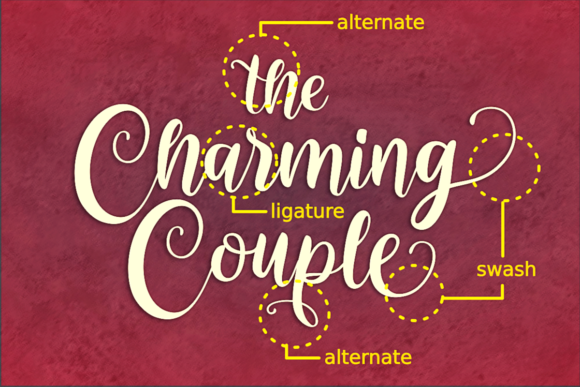
Before locking anything in, I did three quick checks: First, I exported a PDF with all glyphs visible—looking for stylistic alternates (there are several elegant swashes and terminal options) and checking multilingual support (basic Latin extended, great for English, French, Spanish, and German clients). Second, I pasted Las Tallnas into Figma, Illustrator, and InDesign to confirm OpenType features worked across platforms—ligatures activated smoothly, and the .OTF files installed cleanly. Third, I printed a full brand sheet: logo, tagline, product label, social post, and t-shirt mock. If it felt cohesive across all five, it passed. Las Tallnas did—and it felt like the system already had history, even though it was brand new.
If you’re building a brand that values authenticity over algorithmic polish—if your work lives in mugs, posters, book covers, shopping bags, or handwritten quotes—Las Tallnas isn’t just another Script Handwritten font. It’s a quiet collaborator. A Fonts choice that doesn’t compete with your craft, but completes it. Download it. Test it on something real. Then let it speak—for you, and for what you make.