Mitha Mella Font for Elegant, Consistent Branding
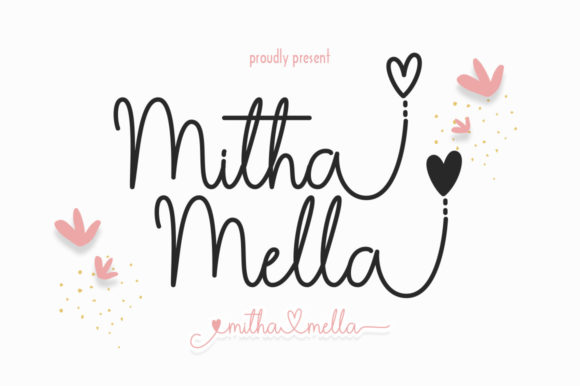
As a small business owner who designs my own packaging, social media posts, and product labels—often late at night with coffee in hand—I’ve learned that the right Script Handwritten font does more than look pretty. It quietly builds trust, signals care, and makes customers pause just long enough to remember my brand. That’s why I reached for Mitha Mella—a thin-lettered and delicate script font that feels personal without sacrificing polish. It’s not loud or flashy, but it’s unmistakably intentional. And when you’re running a boutique skincare line, a handmade candle shop, or a mindful coaching practice, intentionality is your strongest marketing tool.
Mitha Mella for Wedding Invitations and Elegant Branding
Mitha Mella shines where softness and sophistication matter most: wedding stationery, bridal boutique logos, and luxury gift packaging. Its fine strokes and graceful connections give it the quiet confidence of a handwritten signature—refined, not rushed. I used it for a client’s “just married” thank-you cards, pairing it with a clean sans serif for body text—and instantly elevated the whole suite from charming to cohesive. Because Mitha Mella is PUA encoded, inserting ligatures and alternate characters was seamless in Canva and Adobe Illustrator. No more hunting through glyph panels. Just type, select, and go. For small businesses targeting high-touch, emotionally resonant moments—birth announcements, anniversary gifts, or curated subscription boxes—Mitha Mella helps your typography whisper “this was made for you.”
Mitha Mella for Product Labels and Handmade Packaging
If your product sits on a shelf next to competitors—or lives inside a customer’s kitchen cabinet—you need legibility *and* personality. Mitha Mella works beautifully as a display font on 2 oz candle jars, soap tags, and tea sachets—especially when sized 14–20 pt with generous letter spacing. Its delicate weight reads clearly on matte kraft paper and glossy stickers alike. I tested it on a lavender honey label: paired with a light-weight sans serif for ingredients and origin notes, Mitha Mella became the hero—the name that caught the eye first and anchored the entire visual hierarchy. As a Fonts choice for physical goods, it communicates craftsmanship without shouting. Just be sure your commercial license covers printed merchandise—most reputable sellers include full print + digital rights, but always double-check before pressing 500 labels.
Mitha Mella for Café Menus and Local Business Signage
Your café menu isn’t just information—it’s ambiance. A chalkboard-style sign with Mitha Mella for daily specials or pastry names adds warmth without looking dated or overly cutesy. Unlike bolder script fonts that can feel cartoonish at small sizes, Mitha Mella stays elegant even at 18 pt on laminated countertop menus. I used it for a neighborhood bakery’s seasonal pie board (paired with Montserrat Light), and customers consistently commented on how “inviting” the signage felt. The key? Use Mitha Mella only for headlines, item names, or short accents—not body copy. Let it breathe. Its thin-lettered nature means tight tracking or low contrast backgrounds will hurt readability. Stick to crisp white or cream backgrounds with dark ink for best results in real-world lighting.
Mitha Mella for Instagram Stories and Pinterest Graphics
Scrolling happens fast. On Instagram Stories or Pinterest pins, your font has under two seconds to register. Mitha Mella stands out because it feels human—not templated. When layered over soft-focus lifestyle photos (think linen napkins, steaming mugs, dried florals), its delicate script creates instant mood alignment. I use it for quote graphics, limited-edition launch announcements, and “new flavor” teasers—all sized large enough to read on mobile (minimum 36 pt for titles). Because it’s PUA encoded, special flourishes like swashes or terminal alternates appear reliably across platforms—no missing glyphs or fallback fonts. For service-based creators—yoga instructors, nutrition coaches, or ceramic artists—Mitha Mella helps your visuals reflect calm, clarity, and authenticity.
Mitha Mella for Logo Design and Website Hero Text
Your logo and homepage headline are your brand’s first handshake. Mitha Mella works powerfully here—if used thoughtfully. It’s not a standalone logo font for tech startups or law firms, but for brands rooted in care, creativity, or craft? Absolutely. Think botanical apothecaries, slow-fashion labels, or independent bookshops. I paired it with a subtle serif (like Playfair Display) for a client’s “About” page headline—and the contrast created immediate visual rhythm. Pro tip: test Mitha Mella at multiple sizes across devices. At 48 pt on desktop it’s dreamy; at 24 pt on mobile, it still holds its grace—but avoid going smaller than 20 pt in live web text. Always pair with a highly legible secondary font for navigation, pricing, or contact info. Your audience shouldn’t work to read you.
Mitha Mella for Thank-You Cards and Customer-Facing Print Materials
The moment after a purchase is pure brand equity—and often overlooked. A handwritten-style note in Mitha Mella on recycled cardstock transforms a transaction into a relationship. I use it for order confirmations, post-purchase emails (as an embedded web font), and seasonal greeting cards for loyal customers. Its delicate script conveys sincerity without pretense. Because it’s a Script Handwritten font built for real use—not just aesthetics—it scales cleanly from digital PDFs to letterpress prints. Just remember: if you’re embedding Mitha Mella in client-facing templates (e.g., editable Canva files sold on Etsy), verify your license permits redistribution. Most commercial licenses allow it—but never assume.
Bottom line: Mitha Mella isn’t about chasing trends. It’s about choosing a Fonts partner that supports your voice—not drowns it. Whether you’re labeling a single-batch hot sauce or designing your first Shopify banner, this thin-lettered and delicate script font gives your business a consistent, trustworthy, and quietly memorable presence—across every touchpoint that matters.